




Checkmate or Knockout? Chessboxing Explained
-
 Nancy
- Published on Nov 02, 2026
 Nancy
Contents
- What is chessboxing?
- How does chessboxing work?
- Chessboxing rounds: From the board to the ring
- Checkmate or knockout: How do you win in chessboxing?
- From a comic book to a competitive sport
- Why chessboxing is harder than it looks
- What is it like to watch chessboxing live?
- Discover extraordinary sporting events with Avenhill Dale
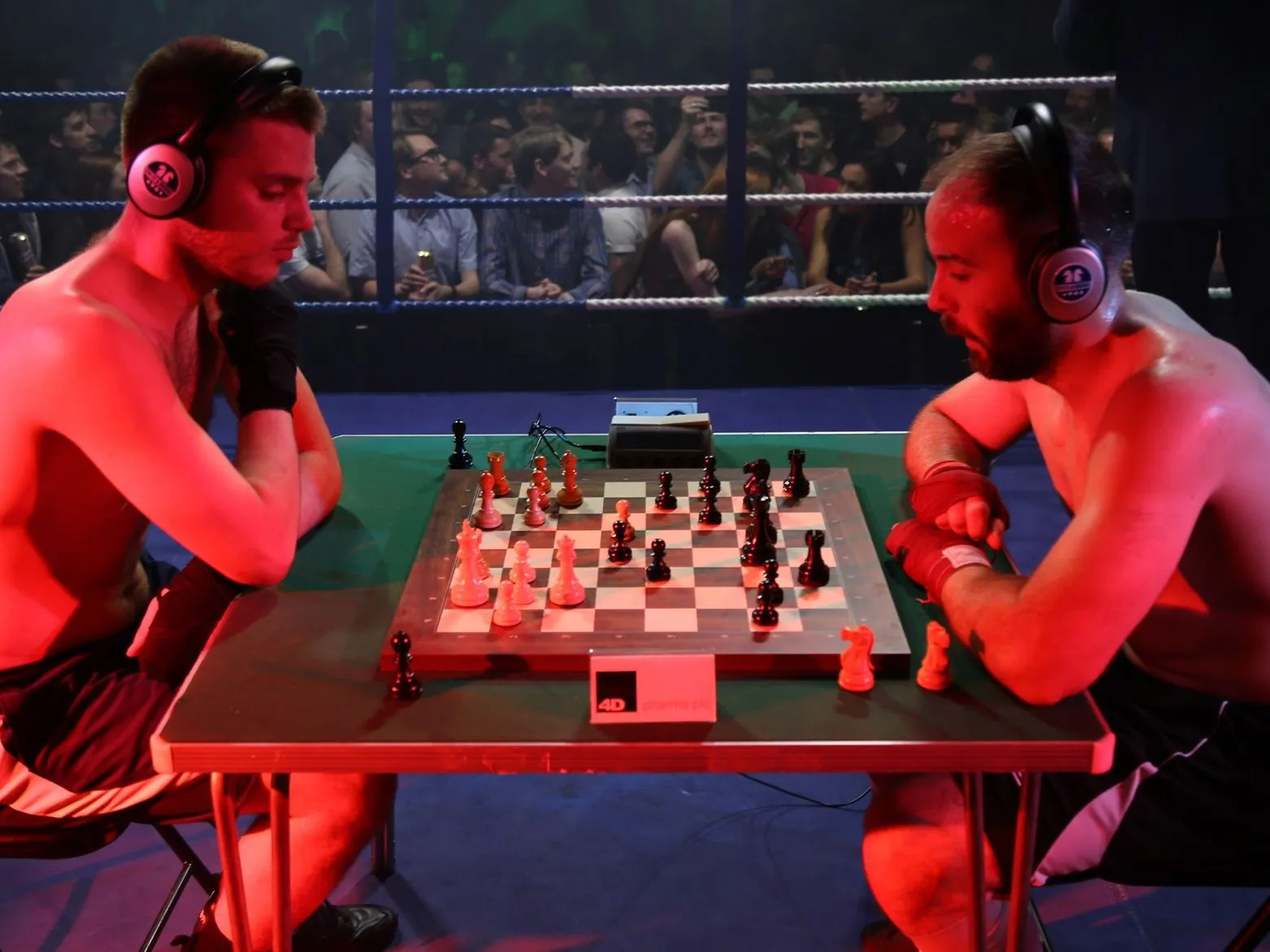
One moment you’re planning your next chess move; the next, you’re exchanging punches in the ring. Welcome to chessboxing, where strategy meets strength and every round tests your focus and endurance. But how does this unusual sport work, and can checkmate really be as decisive as a knockout?
What is chessboxing?
Chessboxing is a hybrid combat sport that combines alternating rounds of speed chess and boxing. Two competitors switch between the chessboard and the ring until one of them wins.
The two disciplines are connected. After each boxing round, players return to the same chess position, with their remaining time still counting against them.
A strong boxer can lose by checkmate, while a skilled chess player can be knocked out. Winning requires strategy, stamina, and the ability to stay focused while switching between two very different challenges.
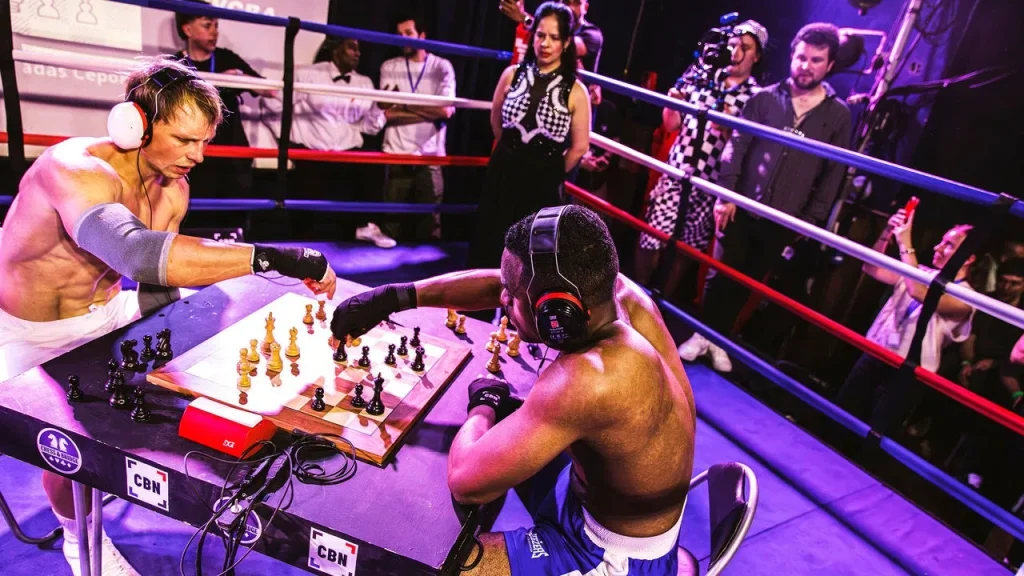
Chessboxing is a hybrid sport that combines speed chess and boxing.
How does chessboxing work?
The basic idea behind chessboxing rules is surprisingly straightforward: Competitors alternate between chess and boxing rounds, with the first decisive result determining the winner.
A traditional full-length contest features 11 rounds: 6 chess rounds and 5 boxing rounds. The match begins with chess, followed by boxing, and continues alternating until it ends with a final chess round. However, shorter five- and seven-round formats are also common, and some organisations use different arrangements.
Here’s how the main elements work:
| Element | How It Works |
|---|---|
| Chess Rounds | Competitors play speed chess using a chess clock, continuing the same game across rounds. |
| Boxing Rounds | Fighters compete under boxing rules, with a referee overseeing the action. |
| Round Order | Chess and boxing alternate, although the starting discipline varies by format. |
| Breaks | Many formats allow approximately one minute between rounds to change equipment. |
| Winning | A match can end through checkmate, knockout, a chess-clock defeat, or other permitted stoppages. |
Chessboxing rounds: From the board to the ring
One of the most unusual aspects of chessboxing is switching between two completely different disciplines. During chess rounds, competitors must calculate moves, manage their time, and stay focused before putting on their gloves for the boxing round.
Once the boxing ends, they return to the same chess position and continue their game. The real challenge is thinking strategically while recovering from the physical demands of fighting.
In many traditional formats, rounds last around three minutes, with a one-minute break between them. However, the exact number and duration of rounds vary depending on the competition.
Checkmate or knockout: How do you win in chessboxing?
This is where chessboxing gets particularly exciting. A match can end on either the chessboard or in the boxing ring, and neither discipline automatically takes priority.
There are several ways to win:
- Checkmate: Delivering checkmate during a chess round ends the entire contest immediately.
- Knockout (KO): A fighter wins if their opponent is knocked out under the applicable boxing rules.
- Technical knockout (TKO): The referee may stop the fight if a competitor cannot safely continue.
- Chess-clock defeat: Running out of allocated chess time can mean losing the entire match.
- Resignation or disqualification: A competitor may concede or lose through serious rule violations.
What happens if the chess game ends in a draw? Under some competition rules, boxing judges’ scores determine the result, although procedures vary between organisations.
This creates fascinating tactical decisions. A competitor who is struggling in the ring might look for a quick checkmate, while someone facing a difficult chess position could try to secure victory during the next boxing round.
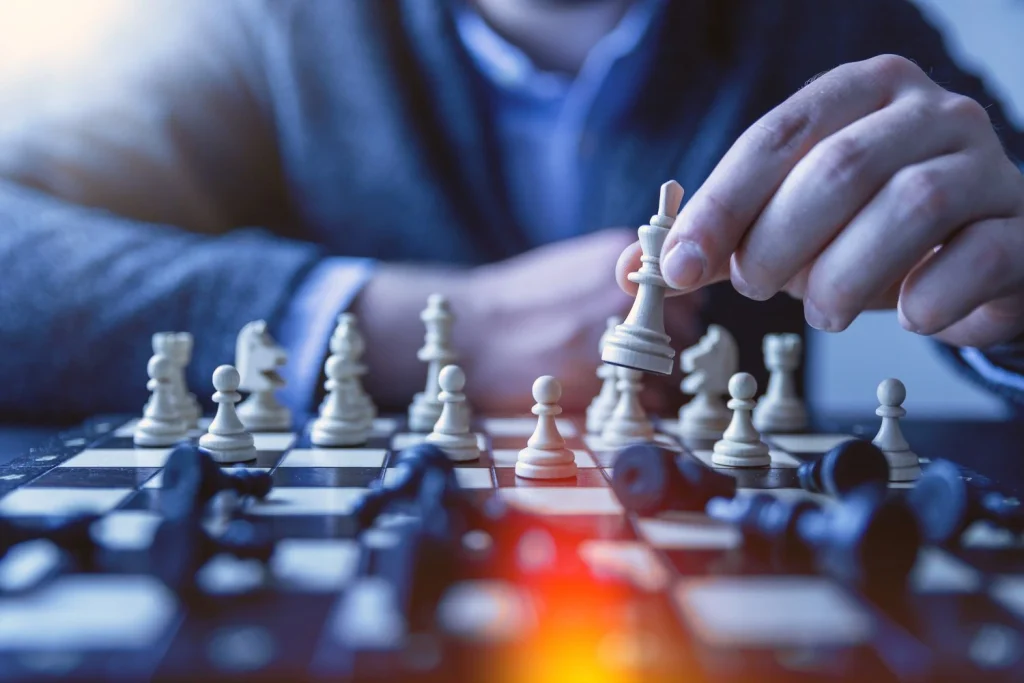
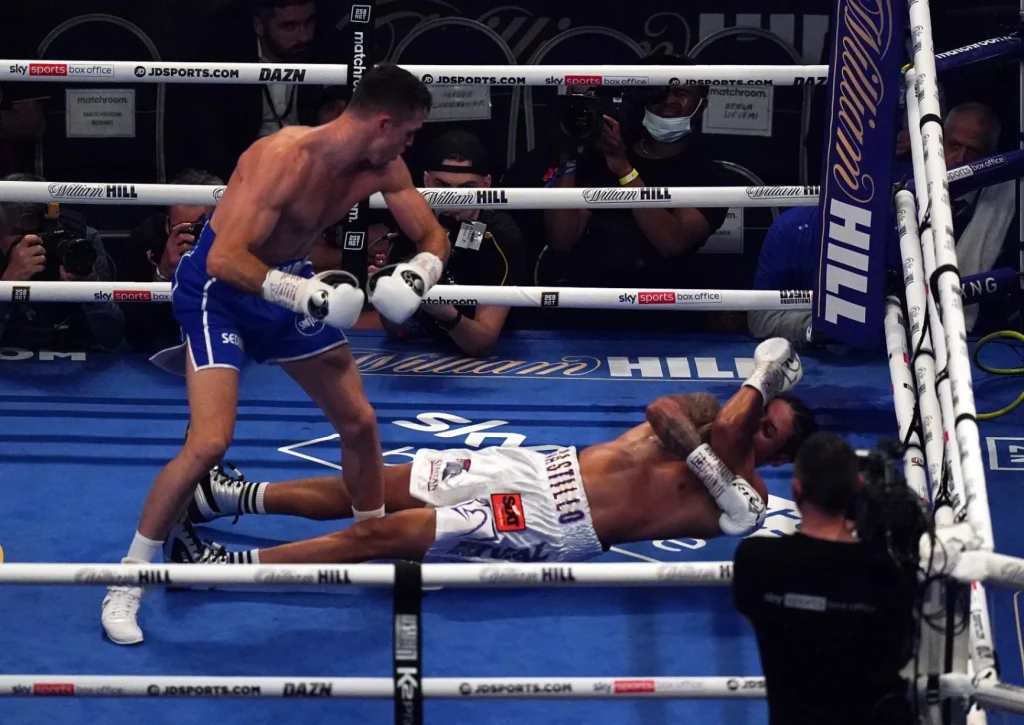
A match can end with a checkmate or knockout.
From a comic book to a competitive sport
Believe it or not, modern chessboxing began with a comic book. In 1992, French artist Enki Bilal introduced the concept in Froid Équateur (Cold Equator), inspiring Dutch performance artist Iepe Rubingh to bring the unusual sport to life in Berlin in 2003.
On 14 November 2003, the first official World Chess Boxing Organisation championship took place in Amsterdam. Rubingh became the inaugural world champion after his opponent, Jean-Louis Veenstra, ran out of time during the chess portion of the match.
What began as an artistic experiment has since grown into an international sport, with clubs, competitions, and championships held worldwide. Today, the chessboxing world championship brings together athletes who combine strategic thinking with impressive boxing skills.
Why chessboxing is harder than it looks
At first glance, chessboxing might seem like two separate sports combined for entertainment. But the real challenge lies in switching between them. Imagine finishing an exhausting boxing round, your heart racing and your breathing heavy, only to sit down and calculate your next chess move.
Chess demands patience, concentration, and strategic thinking, while boxing requires quick reactions, physical endurance, and split-second decisions. Chessboxing forces competitors to combine these skills while dealing with both mental and physical exhaustion.
Time management makes things even harder. A stronger boxer might lose valuable seconds thinking through a chess move, while an excellent chess player could struggle to concentrate after a demanding round in the ring. To succeed, chessboxers need physical fitness, mental sharpness, and the ability to stay calm under pressure.
What is it like to watch chessboxing live?
Watching chessboxing live is unlike attending a traditional boxing match or chess tournament. One moment, spectators are following a quiet battle of strategy; the next, competitors are exchanging punches in the ring. That sudden change of pace makes the sport exciting to watch.
During chess rounds, commentary and screens at some events help audiences follow the action. Boxing rounds then bring a completely different energy, with every punch potentially deciding the match. You don’t need to be a chess expert or boxing fan to enjoy the unpredictability.
From local galas to international competitions, chessboxing offers a unique sporting experience. The 8th WCBO World Chessboxing Championships are scheduled for Istanbul in November 2026, with a championship gala planned for 21 November.
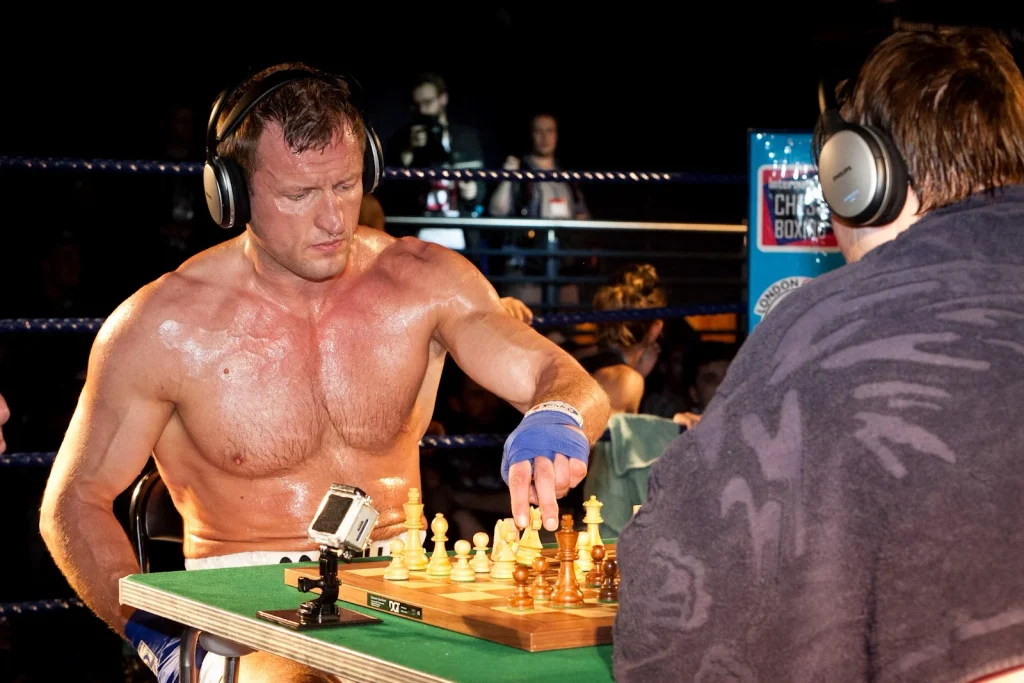
The 8th World Chessboxing Championships are scheduled in November 2026.
Discover extraordinary sporting events with Avenhill Dale
Chessboxing proves that exciting competition doesn’t always fit into traditional sporting categories. Whether victory comes through checkmate or knockout, it takes remarkable skill, determination, and composure to succeed.
Avenhill Dale helps fans explore premium tickets, exclusive access, and VIP hospitality experiences at leading sporting events worldwide. Alongside major boxing nights and other international competitions, our team can also assist with UFC match access, premium seating, and hospitality opportunities at some of the sport’s most anticipated events.
Whether you’re passionate about boxing, fascinated by chessboxing, or hoping to experience a major UFC fight night in person, we’re here to help you get closer to the action. Contact us to explore premium sporting event access and discover your next unforgettable live experience.
 nana