




Ballon d’Or 2026 in London: The Big Storylines before football’s ceremony night
-
 Nancy
- Published on Oct 12, 2026
 Nancy
Contents
- Ballon d’Or 2026 London: More than a change of venue
- Kane, Yamal, and a men’s race worth arguing about
- Harry Kane: Can the goals do the talking?
- Lamine Yamal: The World Cup factor
- The other names who cannot be ignored
- How much should the World Cup count?
- A different winner awaits in the women’s race
- The next generation gets its moment, too
- Before the trophies, there’s the Ballon d’Or red carpet
- Plan your Ballon d’Or 2026 night with Avenhill Dale
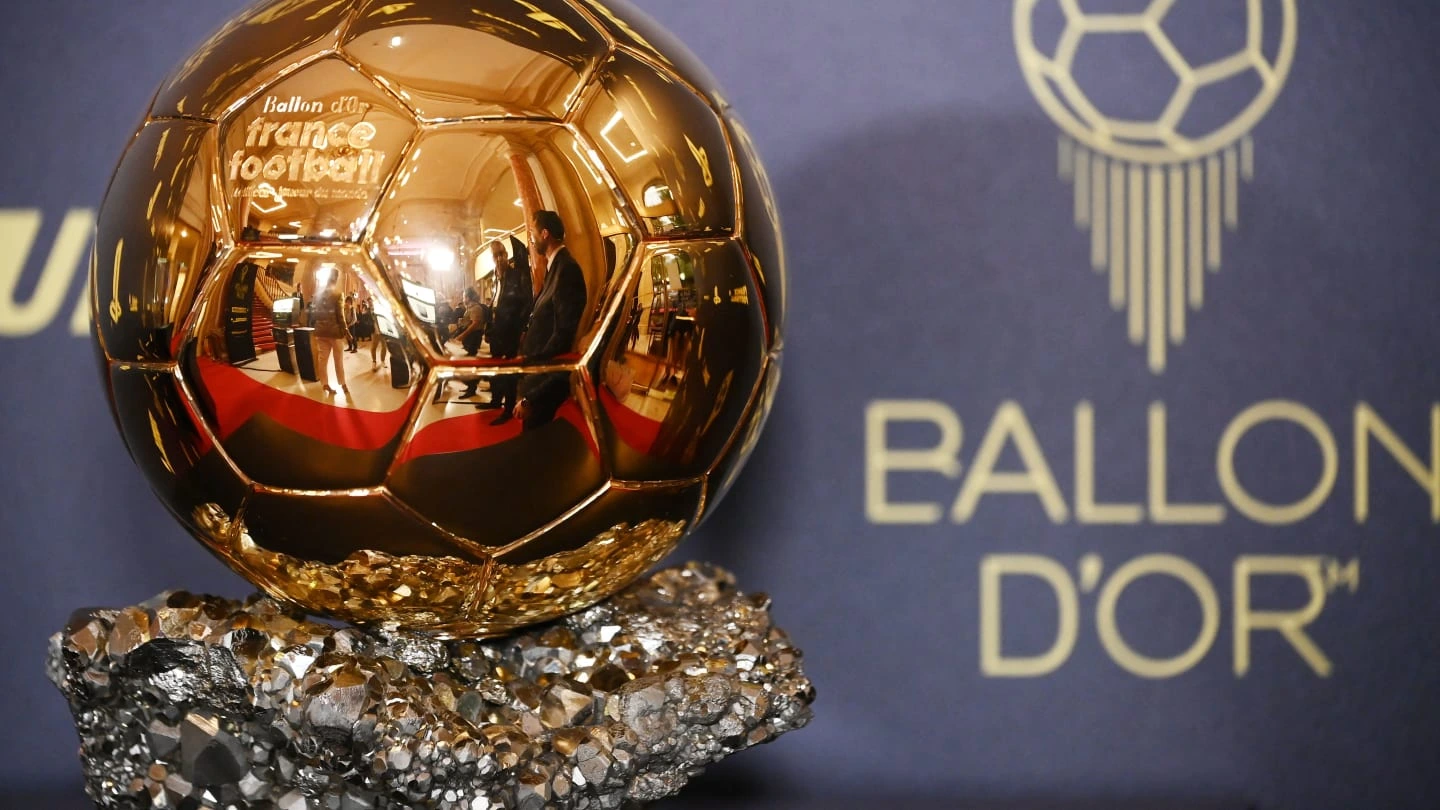
The Ballon d’Or 2026 is coming to London, and there is plenty to debate before anyone lifts a trophy. Taking place at the London Palladium on 26 October, the ceremony marks the award’s 70th anniversary and its first visit to the capital. With outstanding scoring seasons, World Cup success, and a change coming at the top of the women’s award, this year offers much more than a new venue. Here are the stories worth following before football swaps its boots for the red carpet.
Ballon d’Or 2026 London: More than a change of venue
London has not been chosen simply to give the ceremony a different backdrop. France Football created the Ballon d’Or in 1956, and this year’s move pays tribute to its first winner, Sir Stanley Matthews. Seventy years later, the award returns to England to celebrate another generation of footballing talent.
The London Palladium takes over from Paris’s Théâtre du Châtelet, which has hosted the ceremony since 2019. The organisers describe this as a temporary move, rather than a permanent departure from Paris. That makes the London edition feel like a particular moment to catch: a familiar football occasion in a setting chosen for its anniversary.
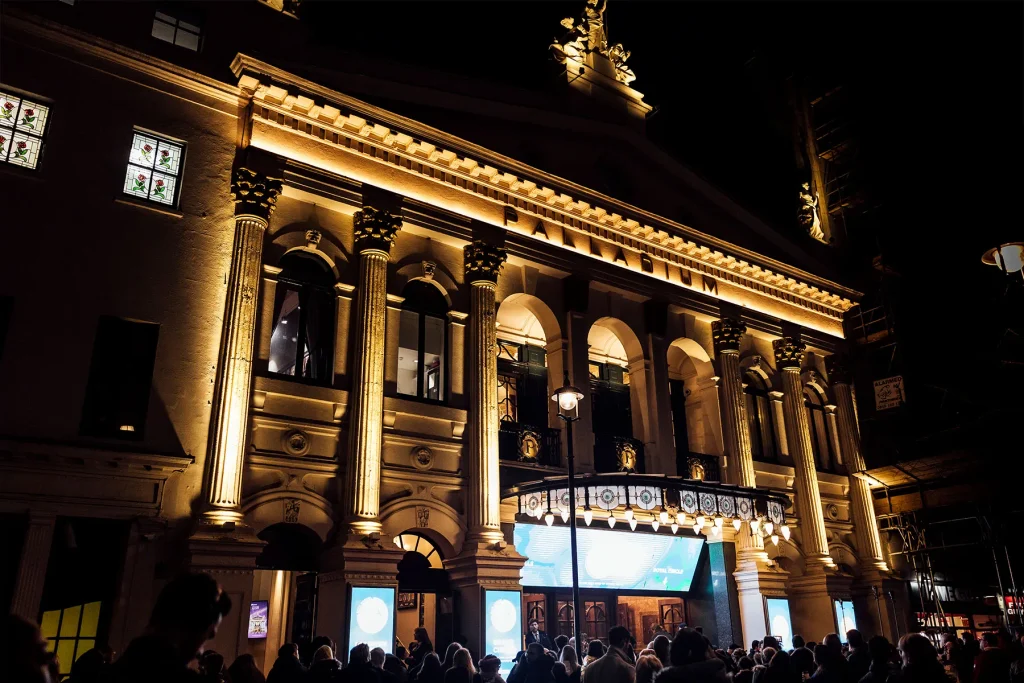
The London Palladium will host the Ballon d’Or 2026 ceremony.
Kane, Yamal, and a men’s race worth arguing about
Among the Ballon d’Or 2026 nominees, Harry Kane and Lamine Yamal offer two different arguments for the top prize. One starts with an extraordinary scoring record; the other combines individual brilliance with success on football’s biggest international stage.
Harry Kane: Can the goals do the talking?
Kane’s case begins with 73 goals in 65 matches for club and country. Add Bayern Munich’s Bundesliga, German Cup, and German Super Cup victories, and his supporters have plenty to work with. It is a campaign built on sustained production rather than one standout performance, making him a compelling contender for the individual award.
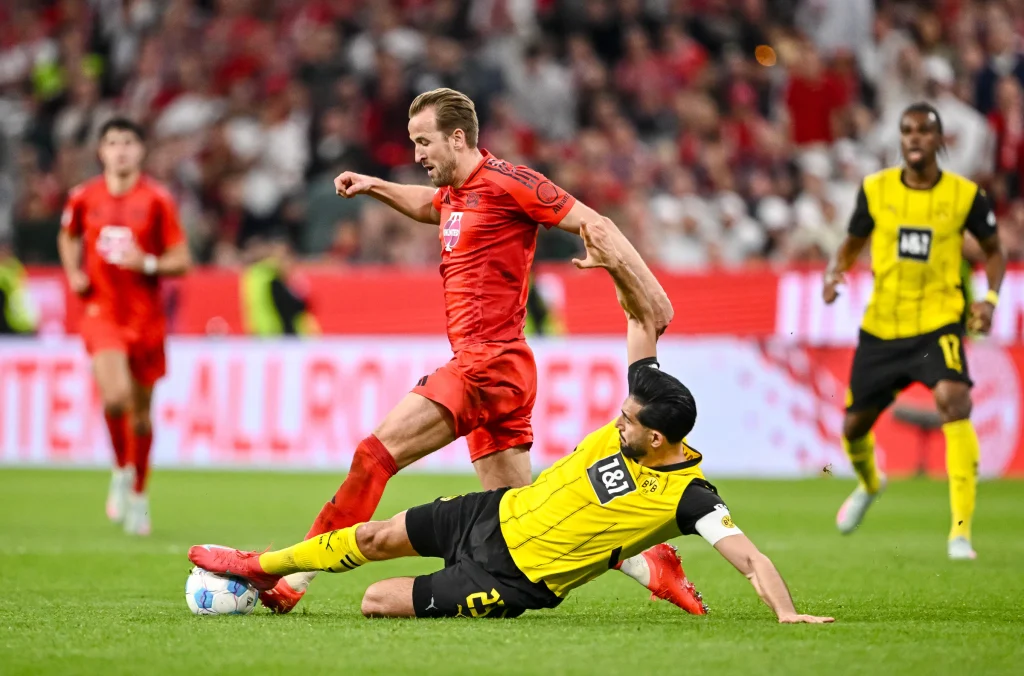
Bayern Munich’s Bundesliga title makes Kane’s case even stronger.
Lamine Yamal: The World Cup factor
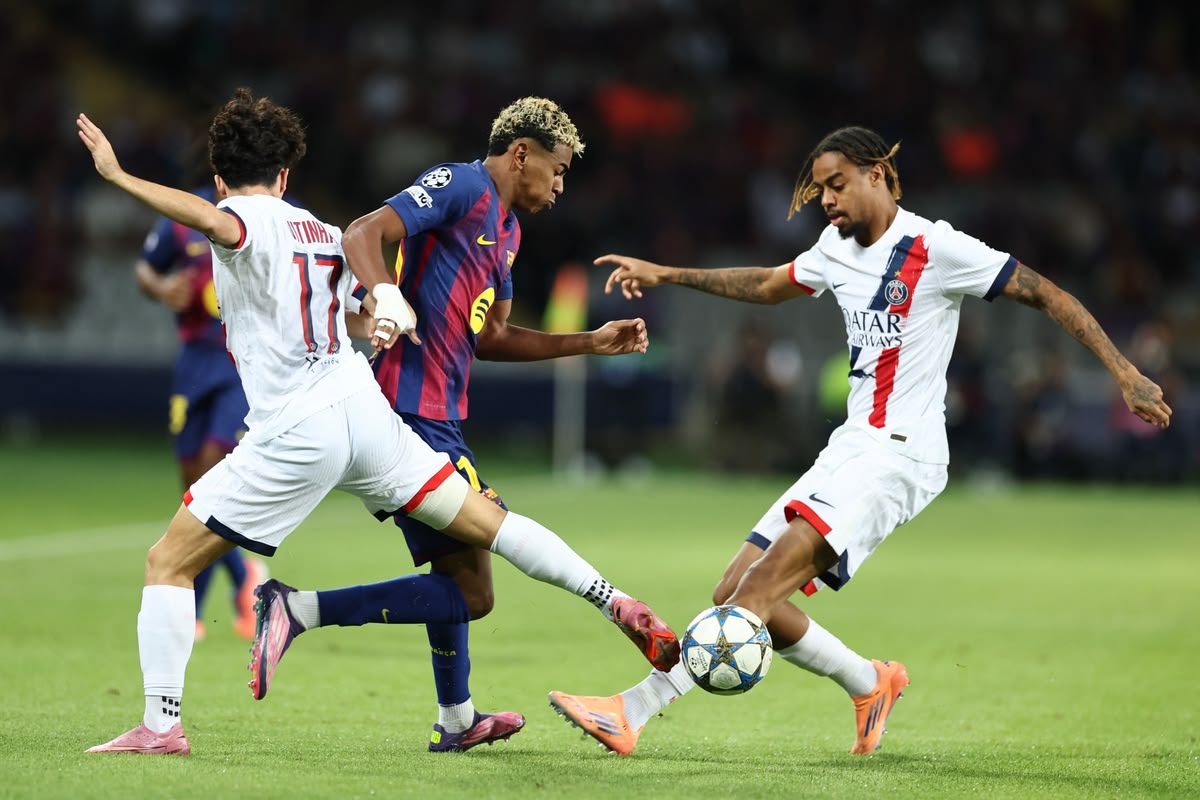
Yamal brings a different kind of season to the discussion. His record includes 25 goals and 20 assists, alongside La Liga and Spanish Super Cup titles with Barcelona and a World Cup triumph with Spain. Does that combination of creativity, influence, and major trophies outweigh Kane’s relentless scoring? That is a debate worth having.
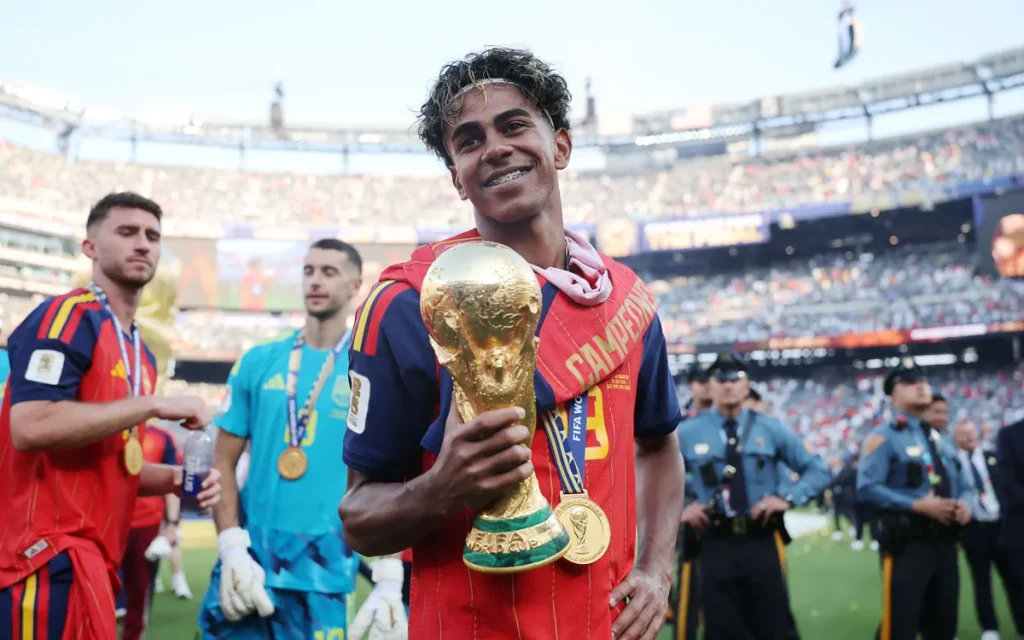
Yamal’s record includes 25 goals, alongside a World Cup triumph with Spain.
The other names who cannot be ignored
This is not an officially declared two-player contest. Kylian Mbappé, Ousmane Dembélé, Lionel Messi, and Erling Haaland also feature on the shortlist, giving supporters plenty of alternative cases to make.
Dembélé, for example, has another Champions League-winning campaign with Paris Saint-Germain behind him. Reducing the conversation to two names risks overlooking the achievements elsewhere in the field.
How much should the World Cup count?
A World Cup year adds another layer to the argument. Winning the biggest international tournament makes a powerful case, but the Ballon d’Or rules do not say that a World Cup winner automatically deserves the individual trophy.
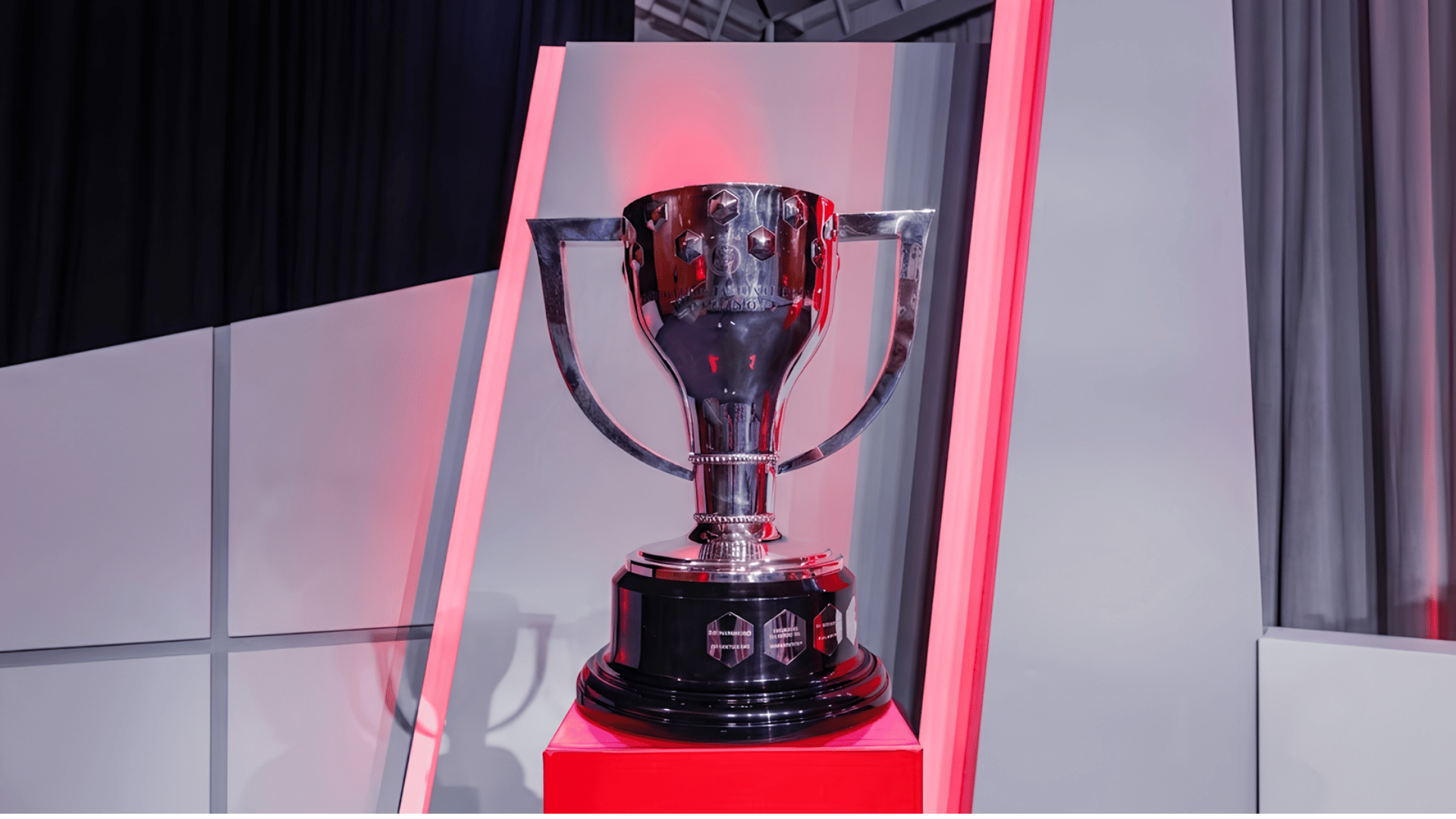
The official criteria place individual performances and decisive contributions first, followed by team achievements, then conduct and fair play. In other words, trophies matter, but voters are asked to look at what the player actually contributed—not simply count the medals.
The final decision belongs to an international jury of specialist journalists, not a public fan vote. Journalists representing the top 100 countries in the relevant FIFA rankings vote for the men’s award, while the women’s jury represents the top 50. Supporters can make their arguments, but those ballots decide whose name is called in London.
A different winner awaits in the women’s race
The women’s award has a major storyline of its own: Aitana Bonmatí is not on this year’s shortlist. After winning in 2023, 2024 and 2025, her three-year run will give way to a different recipient. That does not necessarily mean a first-time winner, with previous champion Alexia Putellas among the nominees.
Ewa Pajor presents a strong case after scoring 34 goals in 46 appearances and helping Barcelona win the Champions League, Spanish league, Spanish Cup, and Spanish Super Cup. Putellas also arrives on the shortlist following a trophy-filled campaign with Barcelona, giving voters more than one route to recognising that team’s success.
Elsewhere, Khadija “Bunny” Shaw brings 36 goals in 36 matches and Manchester City’s Women’s Super League and FA Cup double into the conversation. Arsenal’s Alessia Russo is another name to follow, with 29 goals across her club-and-country campaign. Between the scoring records and team achievements, this is a race that deserves attention in its own right.
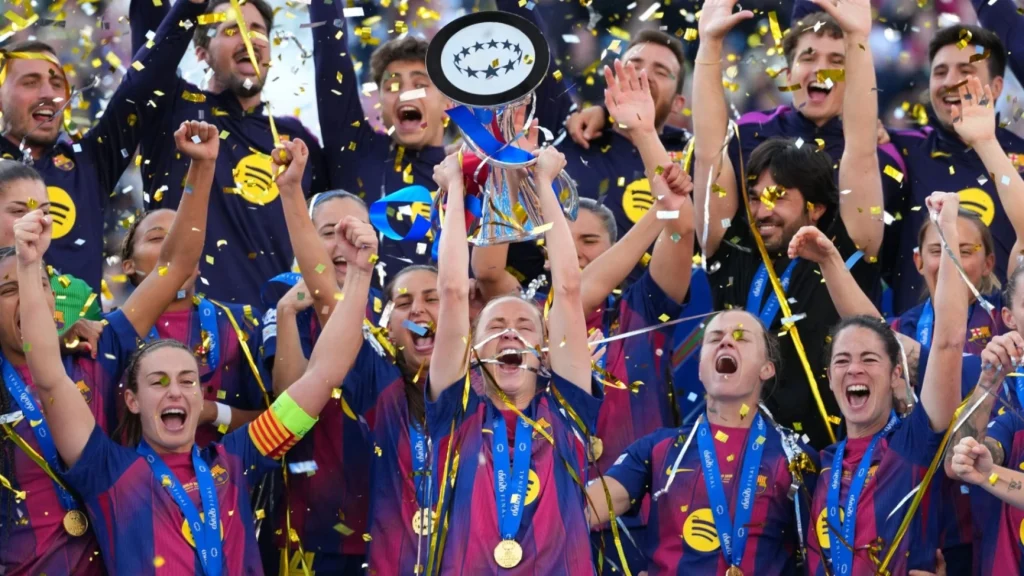
Ewa Pajor presents a strong case after helping Barcelona win the Champions League.
The next generation gets its moment, too
The two main trophies are not the only reason to follow the evening. The Young Talent of the Year categories put the spotlight on players already making an impact.
Lamine Yamal, Pau Cubarsí, and Lennart Karl are among the men’s nominees, while Vicky López, Clara Serrajordi, and Lily Yohannes feature on the women’s shortlist. For anyone who enjoys following a player’s rise, these categories offer another set of stories to watch.
Awards for goalkeepers, coaches, clubs, and strikers will also recognise the different contributions behind a successful season. The ceremony is about more than deciding which attacking star takes home the biggest prize.
Before the trophies, there’s the Ballon d’Or red carpet
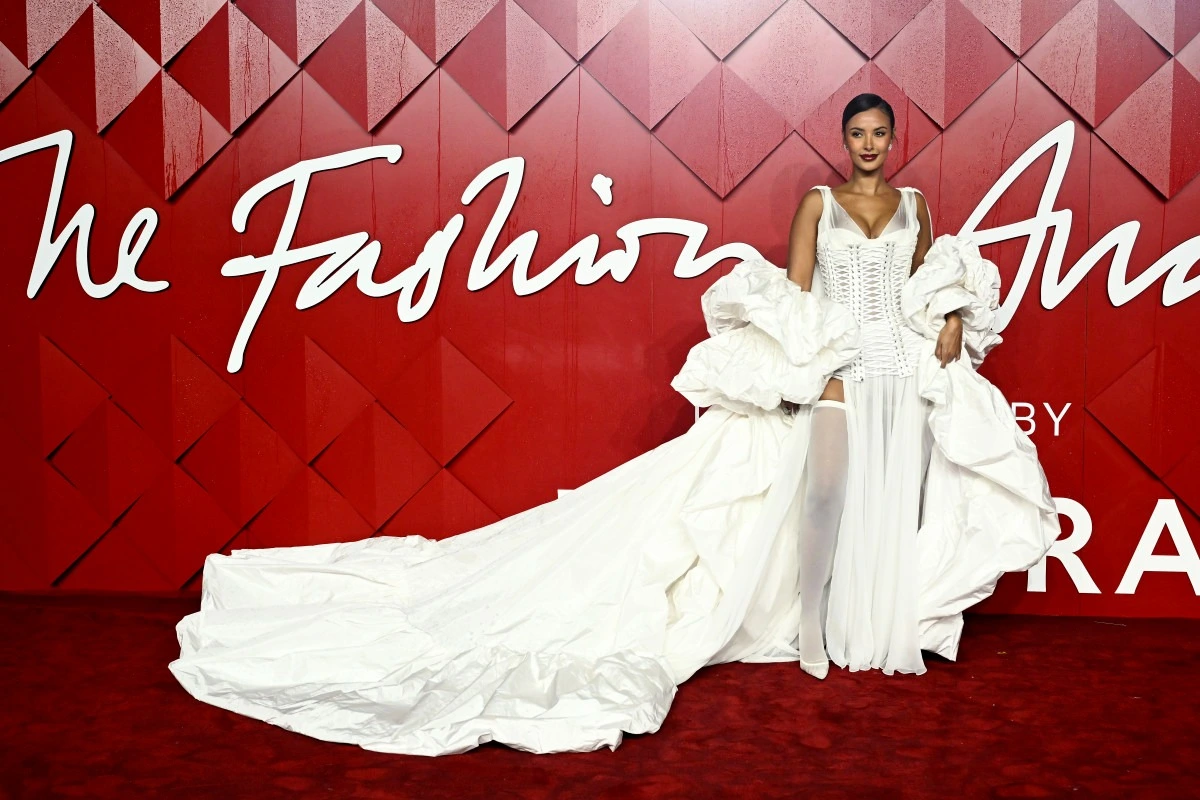
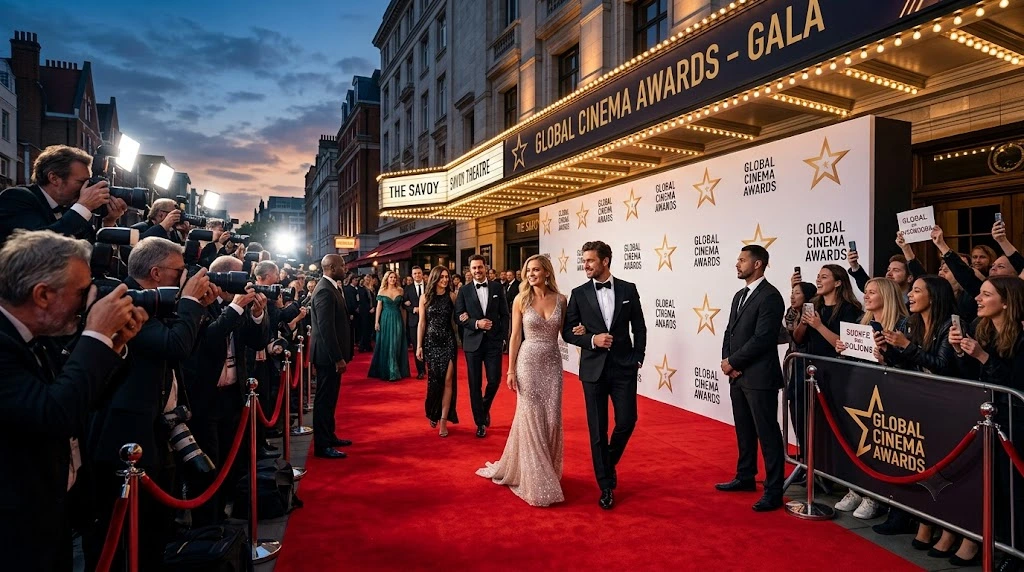
The Ballon d’Or red carpet brings a different kind of anticipation: player arrivals, interviews, and the chance to see familiar footballing faces away from the pitch. The official schedule currently places the red carpet between 6pm and 7:40pm, followed by the Ballon d’Or 2026 ceremony from 8pm to 10pm, all London time.
For fans, the appeal is not only the final announcement. It is the build-up, the conversations, and the moment a season’s worth of arguments gives way to a result. A shortlist is not a confirmed guest list though, so individual appearances should not be assumed simply because a player is nominated.
Plan your Ballon d’Or 2026 night with Avenhill Dale
A landmark anniversary, a London setting, and plenty of strong contenders give Ballon d’Or 2026 all the ingredients for a memorable evening. Whether you are backing a familiar favourite or hoping for a surprise, the reveal is only part of what makes the occasion exciting.
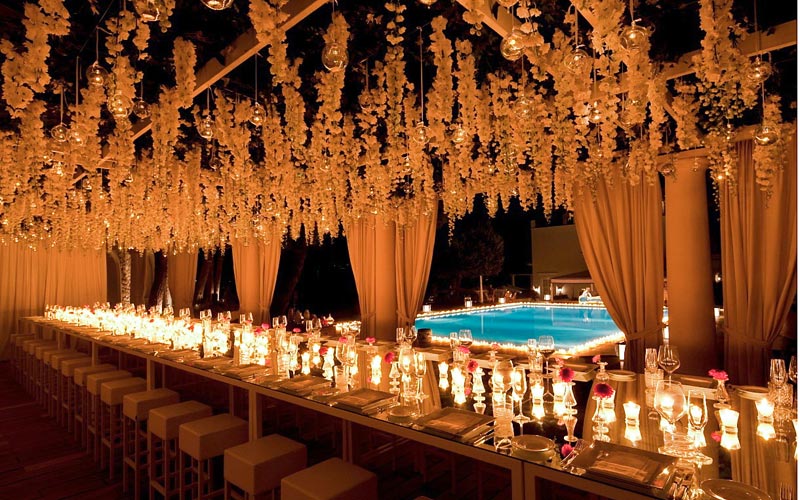
Thinking about being there? Speak to Avenhill Dale about event access and premium hospitality. Share who you are travelling with and the experience you have in mind to explore suitable arrangements, subject to availability and confirmation.
Contact our team to discuss Ballon d’Or 2026 access and hospitality.


 nana